
Gum Disease Treatment – Copperas Cove, TX
Stopping Gum Disease in Its Tracks
When you don’t brush and floss as thoroughly and regularly as you should, the resulting plaque and tartar buildup can lead to gum disease. At its earliest stages, only the gums are affected, meaning the issue can easily be reversed if treated properly. However, advanced gum disease can penetrate your oral tissues and eventually destroy the bone and membrane supporting the teeth. Cove Choice Dental offers a number of solutions for gum disease so that we can save your smile and stop further damage. Call us to learn more about gums disease treatment in Copperas Cove, TX.
Why Choose Cove Choice Dental for Gum Disease Treatment?
- Minimally Invasive Alternatives
- Dental Insurance Welcome
- High Quality Care
What is Gum Disease?
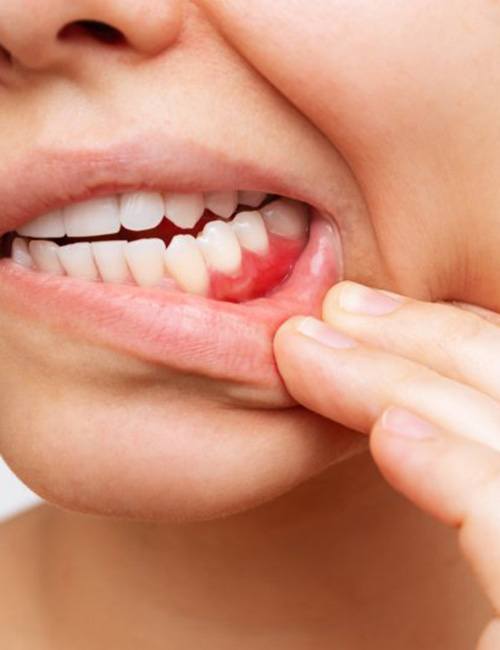
Gum disease is more or less a bacterial infection that starts in the mouth. Oral bacteria produce acid that eats away at the gums, causing irritation, swelling, and even recession. Over time, the bacteria can harden into plaque and tartar, which are more difficult to remove with a simple toothbrush. If a case of gum disease reaches this advanced stage, you’ll need professional treatment in order to restore your oral health.
Symptoms of Gum Disease
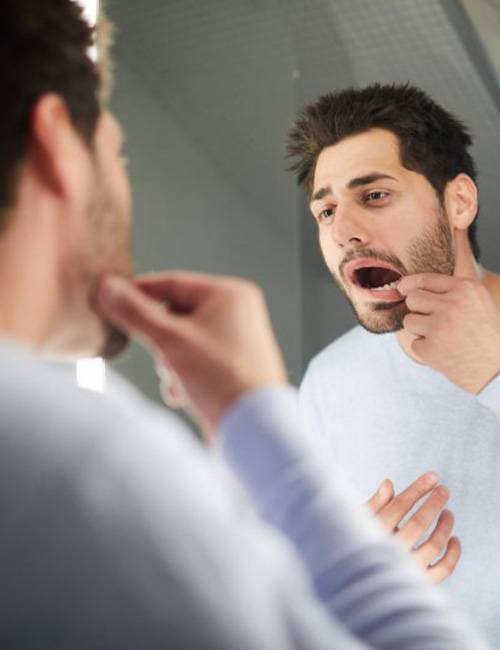
The best way to know whether you have gum disease is to schedule a checkup with your dentist in Copperas Cove. That said, there are noticeable symptoms that could indicate you need treatment, such as:
- Red, puffy gums
- Small amounts of blood when you brush or floss
- Teeth that appear longer than normal
- Increased dental sensitivity
- Teeth that feel loose or have shifted
How Do We Treat Gum Disease?
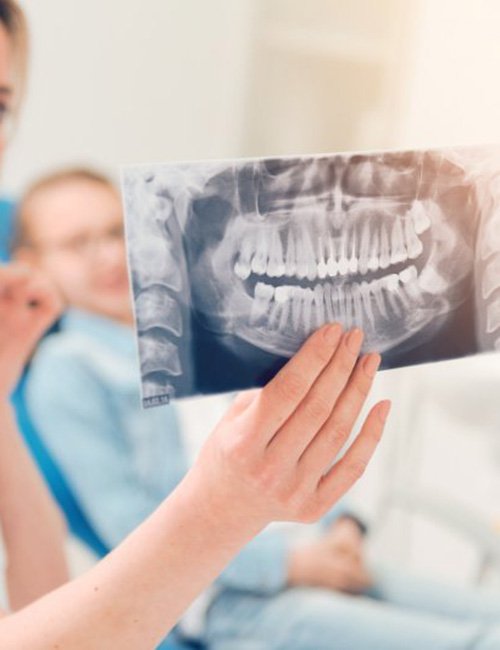
The treatment we recommend will ultimately depend on the severity of your case. After performing a thorough oral exam, we’ll have a better idea of how best to address your needs.
Scaling & Root Planing

While gum disease can usually be reversed with improved oral hygiene if it is caught in its early stages, advanced cases must be addressed with professional treatments like scaling and root planing. This procedure is designed to remove infectious material from the gums and the roots of the teeth while encouraging the tissues to reintegrate, which can help prevent future infections and tooth loss. Here’s a quick look at how gum disease treatments work at Cove Choice Dental.
Do You Need Scaling & Root Planing?

Periodontitis, the advanced stage of gum disease that causes permanent damage, often shows itself through symptoms like:
- Bleeding during oral hygiene sessions
- Gum recession
- Persistent bad breath (halitosis)
- Visible plaque accumulations
- Red, swollen, or puffy gums
While gingivitis, the earliest stage of gum disease, can usually be reversed with improved oral hygiene methods, periodontitis must be kept in check with professional treatments such as scaling and root planing.
The Process of Scaling & Root Planing

The scaling and root planing process can be broken into two phases that are usually completed during separate appointments. These stages are:
- First: Our dentist will use specialized tools to remove plaque and tartar from the surface of the teeth, the gumline, and the pockets of the gums.
- Second: During the planing phase, our dentist will remove hardened bacterial deposits from the roots of the teeth. This will help prevent future infections and make it easier for the teeth to reintegrate with the gum tissue.
Aftercare Tips for Scaling & Root Planing

Scaling and root planing can be an intensive process, so it may take several weeks for your teeth and gums to recover afterward. During this time, you may experience increased sensitivity while your oral tissues are healing. To reduce your discomfort and encourage a speedy recovery, keep the following tips in mind:
- Rinse your mouth with saltwater after eating to loosen food debris and soothe irritation. Make saltwater by mixing a quarter teaspoon of salt into eight ounces of water.
- Be especially gentle when brushing after the treatment. Take care to clean your teeth using short, circular strokes with a soft-bristled brush.
- Avoid consuming materials that could irritate your gums and teeth such as tobacco, alcohol, and sweet, spicy, hot, and acidic foods and beverages.
- Stick to a soft diet for the first forty-eight hours after treatment.
- Abstain from intense physical activity for a day or two after your procedure.
Antibiotic Treatment

As gum disease progresses, the bacteria causing the damage travel deeper into your tissues, where it finds plenty of places to hide. Even scaling and root planing may not remove all of the harmful bacteria in your mouth. Antibiotic therapy is crucial for continuing the battle against gum disease in the weeks following periodontal treatment. We’ll discuss your antibiotic therapy in more detail once we have a clear grasp of the state of your oral health.